
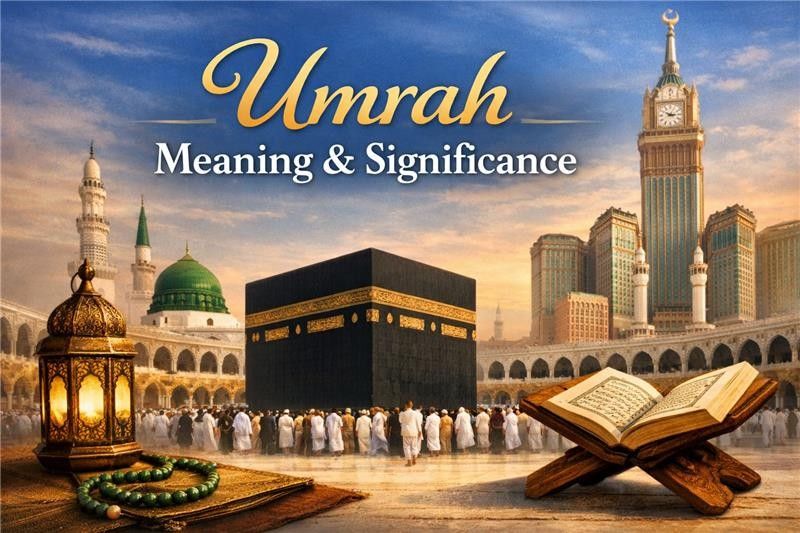
What is Umrah?
An Umrah is a sacred journey to Makkah and the Haram. It's a shorter pilgrimage that pilgrims are free to perform throughout the year except Hajj days. Unlike Hajj, an Umrah doesn't cause a penalty to believers who don't perform it. On the other hand, Hajj is a mandatory pilgrimage for physically and financially capable Muslims. And hence also causes penalty to capable Muslims who don't perform Hajj.
Though all the rituals of Umrah take a few hours to complete, pilgrims used to stay in Makkah and Madinah to strengthen their faith. It involves traveling to Madinah and visiting the historical sites as well. Overall, an Umrah is a comprehensive journey that involves all the physical, religious, financial, spiritual, and emotional aspects of one's life.
Understanding Umrah in Islam
An Umrah is an Arabic word that literally means to visit a populated place. However, it refers to a specific act of Ibadah in Islamic Shari'a. In Islam, an Umrah is a sacred journey to Haram and an Ibadah comprising Tawaf and Sa'i as major rituals. Pilgrims perform these rituals in Haram and experience the serenity of Kaabah during Umrah.
Significance of Umrah in Islam
An Umrah is of great significance in Islam as it shows the commitment of believers with Allah. Besides, an Umrah journey brings pilgrims closer to Allah. It's a perfect opportunity for them to ask Allah for forgiveness and blessings for this life and hereafter. It also gives a chance to repent over past sins and commit oneself for the sake of Allah.
History of Umrah
The origin of Umrah is associated with the revival of Kaabah. It's the time when Hazrat Ibrahim and Hazrat Ismail built the Kaabah again as Allah commanded 4000 years ago. So, Allah taught the rituals of Umrah and Hajj to believers. However, these rituals of pilgrimage got diluted with the passing time. But the Arabs still respected the Kaaba even in the era of islam.
Umrah During the Time of the Holy Prophet ﷺ
During the era of the Holy Prophet, Umrah gained a clear structure and spiritual direction again. The Holy Prophet performed Umrah many times in his life and showed the right way to perform all the rituals to believers.
After that, the record of written Sunnah preserved the right way of performing Umrah rituals. So, Muslims are still following the Sunnah method to perform Umrah and ask Allah for his blessings.
Benefits of Performing Umrah
Umrah is a journey of purpose in Islam and hence has huge benefits despite its voluntary nature. These include spiritual, religious, physical and emotional benefits, all of which enhance the significance of Umrah journey. Here's how Umrah actually benefits pilgrims:
An opportunity of Ibadah
An Umrah journey is an act of worship as a whole. It combines Umrah rituals and the opportunity of offering prayer in Haramain in one place. So, the whole pilgrimage journey becomes Ibadah for pilgrims. And during Ramadan, it combines fasting and rituals in one journey which is the reason why Umrah in Ramadan is significant in Islam.
Moreover, pilgrims become the guest of Allah during this journey which makes it more sacred and meaningful. In short, the whole pilgrimage journey from departure to return is Ibadah and a form of Jihaad for the sake of Allah.
Revival of Sunnah
An Umrah isn't an obligatory pilgrimage as Hajj. So, pilgrims follow the Sunnah act and perform all the rituals accordingly. Therefore, it earns the reward of revival of Sunnah too besides the actual reward of the Umrah journey.
The visit of pilgrims to Madinah and the Masjid an-nabawi further strengthens the belief of believers and their connection with the Holy Prophet.
Source of Great Reward and Divine Blessings
An Umrah Journey earns massive rewards and blessings for pilgrims. This is because pilgrims leave their worldly tasks for the sake of Allah and travel to Makkah especially to perform Umrah.
So, it's the dedication of pilgrims that makes Umrah more rewarding and a blessed journey. Also, pilgrims are closer to Allah in Haram which brings them divine blessings for sure.
A journey of Repentance and Gratitude
An Umrah journey is also a chance of repenting sins and asking Allah for forgiveness. Likewise, it develops the sense of gratitude among pilgrims that Allah chooses them for such a sacred Ibadah.
So, it's the best time to make Dua's for this life and hereafter as Allah accepted the asks of pilgrims. It's the sacred opportunity that pilgrims should consider to elevate their Emaan and build their connection with Allah differently.
Essential Rituals of Umrah
An Umrah journey comprises a few rituals e.g Ihram, Tawaf, Sa'i and Halq or Taqsir. It all takes a few hours to complete the Umrah yet it earns huge blessings and rewards. Here's what does it mean by each ritual:
Entering the State of Ihram
Entering Ihram is a condition for pilgrims to perform Umrah and it has its own restrictions. The state of ihram indicates the dedication of pilgrims towards Ibadah and reflects the purpose of their journey. Pilgrims enter Ihram when they make niyyah of the Umrah at Meeqat and recite Talibiya. Remember wearing ihram doesn't pose its restrictions but only when pilgrims make niyyah of the journey.
Performing Tawaf Around the Kaabah
Performing Tawaf is an important ritual in of both Umrah and Hajj. Pilgrims perform Tawaf al Umrah when they enter Haram in the state of Ihram. Tawaf comprises seven circuits that pilgrims have to complete around the Kaabah in anticlockwise direction. Each circuit starts and ends at the corner of Kaabah having Hajr Al aswad. After completing Tawaf, pilgrims also offer two Rak'ah salah which is Sunnah.
Performing Sa‘i Between Safa and Marwah
Performing Sa'i is another important ritual of an Umrah journey after tawaf. It also comprises seven circuits to and from Safa and Marwa. It starts at Safa with reciting supplications and ends at Marwah. Men used to run under the green light area while women used to walk at normal pace. So, this circuit ends at Marwah and the second circuit starts from Marwah to Safa. And it continues until the seven circuits are completed at Marwah.
Halq or Taqsir
Tawaf and Sa'i are two major rituals of Umrah. So, Halq of Taqsir after Sa'i is just the way of exiting Ihram. After Sa'i, men have to shave their heads or trim most of their hair. However, women have to cut one or two inches of hair tips which marks the completion of Umrah. Halq or Taqsir also ends the restrictions of ihram and pilgrims thus can use scented products after that.
Duas and Supplications During Umrah
The journey of Umrah is full of Ibadah opportunities. So, making Dua's or supplications at each step of Umrah is part of this journey that elevates its quality. Here's a complete list of Dua's to make during Umrah:
Dua for Making Niyyah of Umrah
اللَّهُمَّ إِنِّي أُرِيدُ الْعُمْرَةَ فَيَسِّرْهَا لِي وَتَقَبَّلْهَا مِنِّي
Transliteration: Allahumma inni ureedul ‘umrata fa yassirha li wa taqabbalha minni
Meaning: O Allah, I intend to perform Umrah, so make it easy for me and accept it from me.
Talbiyah During Umrah
لَبَّيْكَ اللَّهُمَّ لَبَّيْكَ، لَبَّيْكَ لَا شَرِيكَ لَكَ لَبَّيْكَ، إِنَّ الْحَمْدَ وَالنِّعْمَةَ لَكَ وَالْمُلْكَ، لَا شَرِيكَ لَكَ
Transliteration: Labbayk Allahumma labbayk, labbayka la shareeka laka labbayk, innal hamda wan ni‘mata laka wal mulk, la shareeka lak
Meaning: Here I am at Your service, O Allah. You have no partner. Truly all praise, blessings, and sovereignty belong to You.
Dua Upon Entering Masjid al-Haram
اللَّهُمَّ افْتَحْ لِي أَبْوَابَ رَحْمَتِكَ
Transliteration: Allahumma-ftah li abwaaba rahmatik
Meaning: O Allah, open for me the doors of Your mercy.
Dua Upon Seeing the Kaaba
اللَّهُمَّ زِدْ هَذَا الْبَيْتَ تَشْرِيفًا وَتَعْظِيمًا وَمَهَابَةً وَبِرًّا، وَزِدْ مَنْ شَرَّفَهُ وَعَظَّمَهُ مِمَّنْ حَجَّهُ أَوِ اعْتَمَرَهُ تَشْرِيفًا وَتَعْظِيمًا وَمَهَابَةً وَبِرًّا
Transliteration: Allahumma zid hadhal bayta tashreefan wa ta‘zeeman wa mahaabatan wa birra
Meaning: O Allah, increase this House in honor, dignity, reverence, and righteousness.
Dua Before Starting Tawaf
بِسْمِ اللَّهِ وَاللَّهُ أَكْبَرُ، اللَّهُمَّ إِيمَانًا بِكَ، وَتَصْدِيقًا بِكِتَابِكَ، وَوَفَاءً بِعَهْدِكَ، وَاتِّبَاعًا لِسُنَّةِ نَبِيِّكَ مُحَمَّدٍ ﷺ
Transliteration: Bismillah wallahu akbar, Allahumma eemanan bika wa tasdeeqan bikitabika wa ittiba‘an li sunnati nabiyyika Muhammad ﷺ
Meaning: In the name of Allah, Allah is the Greatest. O Allah, I do this with faith in You, belief in Your Book, and following the Sunnah of Your Prophet.
Dua Between Rukn al-Yamani and Hajar al-Aswad
رَبَّنَا آتِنَا فِي الدُّنْيَا حَسَنَةً، وَفِي الْآخِرَةِ حَسَنَةً، وَقِنَا عَذَابَ النَّارِ
Transliteration: Rabbana atina fid-dunya hasanah wa fil-akhirati hasanah wa qina ‘adhaban-naar
Meaning: Our Lord, grant us good in this world and good in the Hereafter, and protect us from the punishment of the Fire.
General Dua During Tawaf
سُبْحَانَ اللَّهِ، وَالْحَمْدُ لِلَّهِ، وَلَا إِلٰهَ إِلَّا اللَّهُ، وَاللَّهُ أَكْبَرُ
اللَّهُمَّ اغْفِرْ لِي وَارْحَمْنِي وَاهْدِنِي وَارْزُقْنِي وَعَافِنِي
Transliteration: SubhanAllahi, walhamdu lillahi, wa la ilaha illa Allahu, wallahu akbar
Allahumma ighfir li warhamni wahdini warzuqni wa ‘afini
Meaning: Glory be to Allah, all praise is for Allah, there is no god but Allah, and Allah is the Greatest.
O Allah, forgive me, have mercy on me, guide me, provide for me, and protect me.
Dua at Multazam
اللَّهُمَّ إِنِّي أَسْأَلُكَ رَحْمَتَكَ وَمَغْفِرَتَكَ وَعِتْقًا مِنَ النَّارِ
Transliteration: Allahumma inni as’aluka rahmataka wa maghfirataka wa ‘itqan minan-naar
Meaning: O Allah, I ask You for Your mercy, forgiveness, and freedom from the Fire.
Dua Behind Maqam Ibrahim
اللَّهُمَّ اجْعَلْنِي مِنْ مُقِيمِي الصَّلَاةِ وَمِنْ ذُرِّيَّتِي، رَبَّنَا وَتَقَبَّلْ دُعَاءِ
Transliteration: Allahumma ij‘alni min muqimi assalati wa min dhurriyyati, rabbana wataqabbal du‘a’i
Meaning: O Allah, make me among those who establish prayer and among my offspring.
Our Lord, accept my supplication.
Dua While Drinking Zamzam
اللَّهُمَّ إِنِّي أَسْأَلُكَ عِلْمًا نَافِعًا، وَرِزْقًا وَاسِعًا، وَشِفَاءً مِنْ كُلِّ دَاءٍ
Transliteration: Allahumma inni as’aluka ‘ilman nafi‘an wa rizqan wasi‘an wa shifa’an min kulli da’
Meaning: O Allah, I ask You for beneficial knowledge, abundant provision, and cure from every illness.
Dua Before Starting Sa‘i
بِسْمِ اللَّهِ، وَالْحَمْدُ لِلَّهِ، وَالصَّلَاةُ وَالسَّلَامُ عَلَى رَسُولِ اللَّهِ، اللَّهُمَّ إِنِّي أَسْعَى لِوَجْهِكَ الْكَرِيمِ
Dua at Safa
اللَّهُ أَكْبَرُ، اللَّهُ أَكْبَرُ، اللَّهُ أَكْبَرُ
لَا إِلٰهَ إِلَّا اللَّهُ وَحْدَهُ لَا شَرِيكَ لَهُ، لَهُ الْمُلْكُ وَلَهُ الْحَمْدُ، وَهُوَ عَلَى كُلِّ شَيْءٍ قَدِيرٌ
لَا إِلٰهَ إِلَّا اللَّهُ وَحْدَهُ، أَنْجَزَ وَعْدَهُ، وَنَصَرَ عَبْدَهُ، وَهَزَمَ الْأَحْزَابَ وَحْدَهُ
Transliteration: Allahu Akbar, Allahu Akbar, Allahu Akbar
La ilaha illa Allahu wahdahu la sharika lahu, lahul mulku wa lahul hamdu, wa huwa ‘ala kulli shay’in qadeer
La ilaha illa Allahu wahdahu, anjaza wa‘dahu, wa nasara ‘abdahu, wa hazama al-ahzaba wahdahu
Meaning:Allah is the Greatest, Allah is the Greatest, Allah is the Greatest
There is no god but Allah alone, He has no partner.
His is the dominion and His is the praise, and He has power over all things.
There is no god but Allah alone, He fulfilled His promise,
and helped His servant, and defeated the confederates alone.
Dua at Marwah
اللَّهُمَّ اسْتَجِبْ دُعَائِي وَتَقَبَّلْ سَعْيِي وَاغْفِرْ ذَنْبِي
Transliteration: Allahumma istajib du‘a’i wataqabbal sa‘yī waghfir dhanbī
Meaning: O Allah, respond to my supplication, accept my effort, and forgive my sin.
General Dua During Sa‘i
رَبِّ اغْفِرْ وَارْحَمْ، إِنَّكَ أَنْتَ الْأَعَزُّ الْأَكْرَمُ
اللَّهُمَّ اجْعَلْنِي مِنْ أَهْلِ طَاعَتِكَ وَرِضْوَانِكَ
Transliteration: Rabbi ighfir warham, innaka anta al-‘azzu al-akram
Allahumma ij‘alni min ahli ta‘atik wa ridwanik
Meaning: My Lord, forgive and have mercy, indeed You are the Most Mighty, the Most Generous.
O Allah, make me among those who obey You and earn Your pleasure.
Dua After Completing Sa‘i
اللَّهُمَّ تَقَبَّلْ مِنِّي وَارْزُقْنِي الْقَبُولَ وَالثَّوَابَ
Transliteration: Allahumma taqabbal minni warzuqni al-qabūla wa ath-thawāba
Meaning: O Allah, accept it from me and grant me acceptance and reward.
Dua Before Halq or Taqsir
اللَّهُمَّ هٰذِهِ نَاصِيَتِي بِيَدِكَ، فَتَقَبَّلْ مِنِّي وَاغْفِرْ لِي
Transliteration: Allahumma hādhihi nāsiyatī biyadika, fataqabbal minnī waghfir lī
Meaning: O Allah, this is my hair in Your hands, so accept it from me and forgive me.
Dua After Completing Umrah
الْحَمْدُ لِلَّهِ الَّذِي أَعَانَنِي عَلَى إِتْمَامِ عُمْرَتِي، اللَّهُمَّ تَقَبَّلْهَا مِنِّي وَاغْفِرْ لِي
Transliteration: Alhamdu lillahil-ladhi a‘anani ‘ala itmaami ‘umrati, Allahumma taqabbalha minni waghfir li
Meaning: All praise is for Allah who enabled me to complete my Umrah. O Allah, accept it from me and forgive me.
Final Words
In conclusion, an Umrah is a meaningful journey with the purpose of pleasing Allah and following the Sunnah method. It's a short pilgrimage that comprises Tawaf and Sa'i as major rituals. So, one who can't afford the expenses hajj can plan Umrah journey with our Umrah packages to be the guest of Allah. In short, an Umrah combines all of the Ibadah opportunities in one journey and allows pilgrims to fulfill their religious duties.
.jpg)